Wine Tasting Without the Intimidation
A small pour, a little curiosity and a few useful questions. Learn to notice aromas, texture and the differences that make a wine your kind of wine.
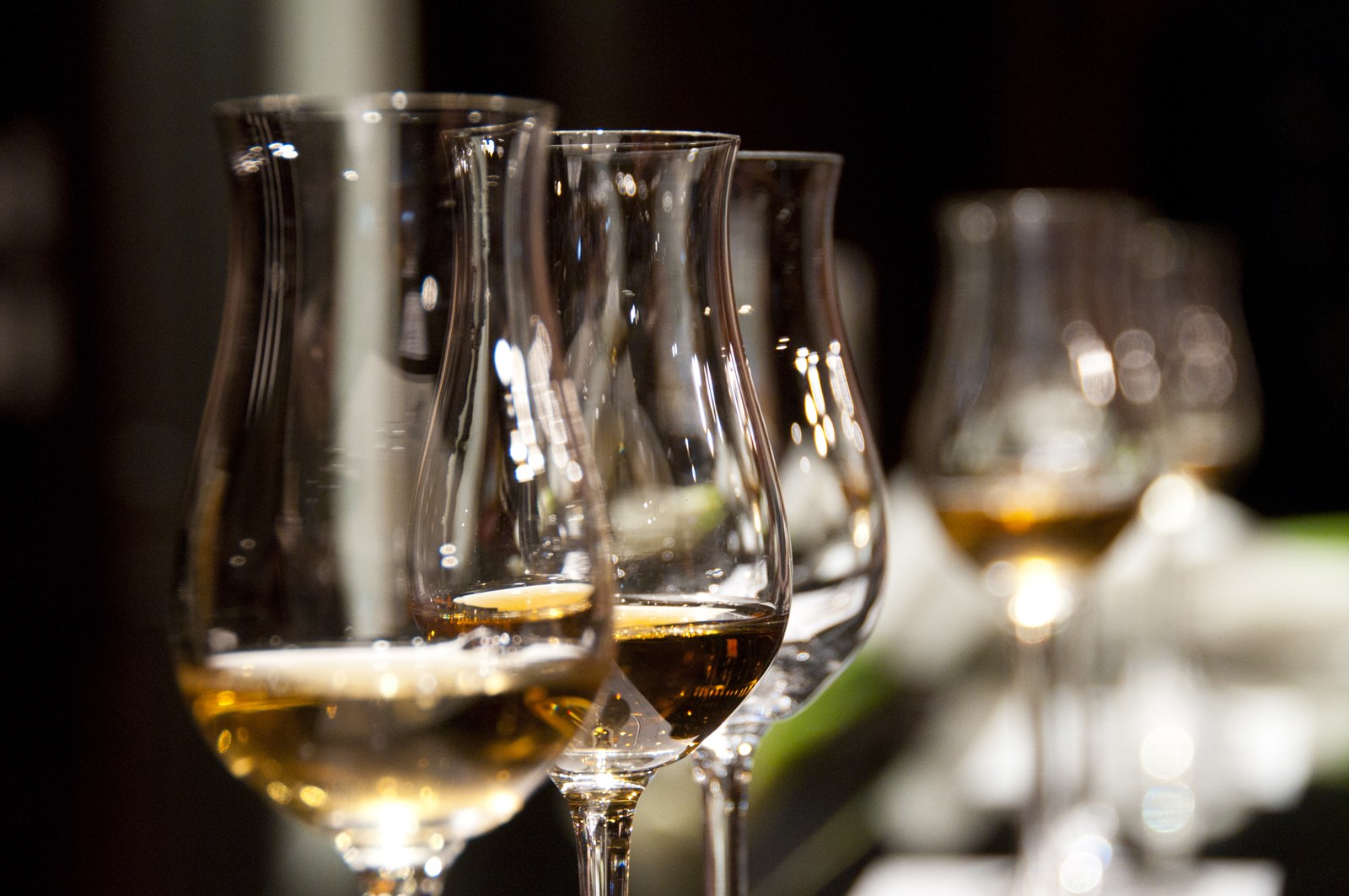
Wine tasting can sound like an audition for a very exclusive club. Someone says “forest floor,” someone else finds “a hint of pencil shavings,” and you wonder whether you were supposed to bring a dictionary. Start somewhere simpler: pay attention to what is in your glass.
You do not need to identify every aroma or agree with the person beside you. A useful tasting helps you describe what you notice and understand what you enjoy. Here is a relaxed way to begin.
1. Look before you taste
Hold the glass against a pale background and notice the color and how easily you can see through the wine. Is the white pale yellow or deeper gold? Is the red translucent or very dark? Record an observation, without trying to turn it into a verdict. The label can supply the grape variety, region and vintage; you do not need to guess all three from the color. [1]
2. Give the aromas a moment
Smell the wine before swirling. Then rest the glass on the table and move its base in gentle circles. A small pour leaves room for this movement and for the aromas above the wine. Smell again and ask whether anything has become easier to notice. [2]
Start with broad categories: fruit, flowers, herbs, spices. “Citrus” is a perfectly useful note before you decide whether it reminds you of lemon or grapefruit. Your own familiar smells are a better starting point than a borrowed vocabulary. [1]
3. Notice how it feels
Take a small sip and give yourself a moment before deciding whether you like it. Separate flavor from sensation. Acidity can make your mouth water; tannin can create a drying, grippy feeling. Those are different experiences, and identifying them makes comparison easier. [3]
Consider sweetness, the wine’s weight in your mouth and what remains after the sip. Does it feel light or fuller? Do the flavors fade quickly or linger? A wine can smell fruity without tasting sweet. [1]
4. Write a note you will actually use
Skip the performance. Write a few words about aroma, texture and preference. A note such as “citrus aroma, mouthwatering, light; would enjoy with dinner” tells future-you more than “excellent.” Include the bottle’s name so you can find it again.
TRY THIS NOTE FORMAT
I smell: one or two things.
I feel: light or full, fresh or soft, smooth or grippy.
I prefer: what I enjoyed—and what I would change.
5. Learn through comparison
Try two different styles side by side rather than searching for a perfect answer in one glass. A lighter red and a fuller, more tannic red can make the differences easier to recognize. Return to the first wine after tasting the second: does your description change? Comparing styles and keeping notes are useful ways to build tasting confidence. [3]
Keep the pours small and the conversation open. Spitting samples is a normal part of tasting, especially when trying several wines. You do not need to finish a glass to learn from it. [4]
The next time you find a wine you love, ask one extra question: what about it works for me? That answer is the beginning of your own tasting vocabulary.
Further reading
This original Wine Cognito guide draws on introductory tasting guidance from WSET and Wine Folly.